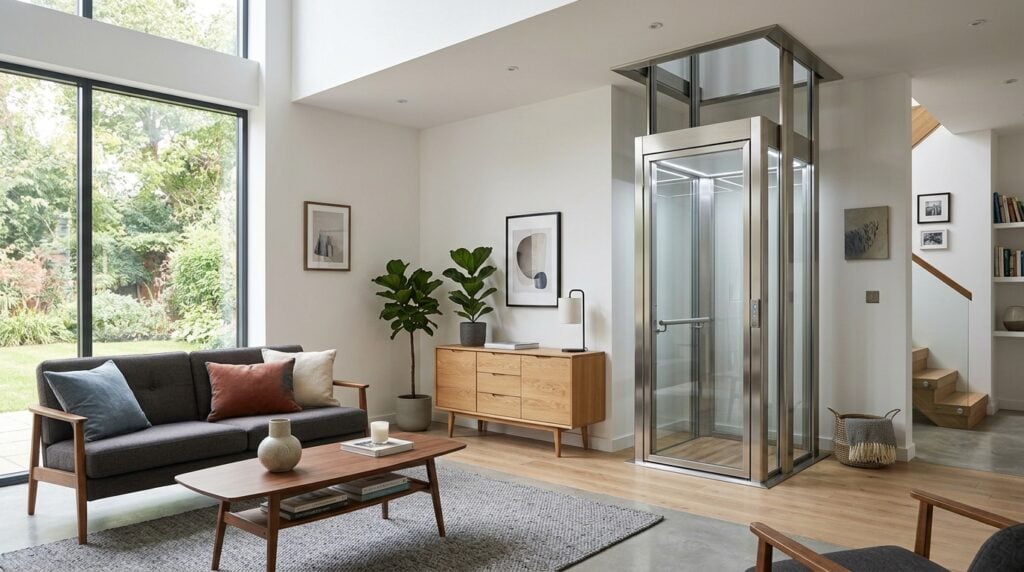
Modern life frequently demands an intentional approach to daily well-being. While many discussions around family wellness center on nutrition, physical fitness, and stress management, the domestic spaces where people spend their resting hours deserve equal attention. A thoughtfully arranged living environment influences everything from mood and cognitive clarity to sleep quality and emotional balance.
Creating a dwelling that nurtures both body and mind does not require an architectural overhaul. Instead, it involves recognizing how spatial layouts, lighting, airflow, and indoor routines intersect with personal health. When families align their living spaces with mindful habits, the home becomes a genuine retreat that supports vitality across every stage of life. Whether adjusting an existing floor plan or looking ahead to a future residence, making deliberate environmental choices establishes a lasting framework for household vitality.
Prioritizing Natural Light and Restorative Airflow
The presence of clean airflow and abundant sunlight serves as the foundation for a healthy home. Natural daylight regulates internal sleep cycles and boosts daily alertness, making morning exposure particularly valuable for adults and children alike. Orienting daily activity zones toward east-facing or south-facing windows allows residents to take advantage of natural illumination without relying entirely on artificial fixtures.
Window dressings also merit careful thought. Sheer fabrics allow morning brightness to permeate common spaces while shielding occupants from harsh glare. In rooms where afternoon sunlight is intense, adjustable louvers or thermal blinds help moderate indoor temperatures naturally, ensuring comfort throughout fluctuating seasons.
Air circulation is equally critical for residential comfort. Stale indoor environments can trap dust, cooking fumes, and airborne irritants that disrupt restful breathing. Cross-ventilation through strategically opened windows encourages fresh air exchange, while quality air filtration systems help maintain a pristine indoor climate during seasonal changes.
When prospective homeowners search for properties with layouts that prioritize generous windows, outdoor airflow, and open living spaces, exploring dedicated real estate listings on weborizon.info can help families identify homes that harmonize natural daylight with practical interior arrangements. Finding a property with strong architectural fundamentals makes long-term wellness significantly easier to sustain.
Reducing Sensory Overload and Acoustic Clutter
Modern dwellings are often filled with constant sensory inputs, from glowing screens and humming appliances to traffic hums filtering in from nearby streets. Over time, persistent background noise and visual clutter can elevate subtle domestic tension, making genuine relaxation difficult to achieve. Cultivating a calm environment requires deliberate boundaries between active living spaces and quiet resting quarters.
Sound management plays an essential role in preserving domestic peace. Soft furnishings, thick rugs, lined curtains, and strategically placed bookshelves help absorb echoing sounds in open-concept homes. Creating designated quiet zones where electronic devices are minimized gives family members an opportunity to decompress without visual interruptions.
Visual organization also contributes directly to mental clarity. When everyday objects have designated storage areas, living rooms and common corridors remain clear, preventing feelings of disorganization. Simple organizational systems allow every household member to participate in maintaining an orderly, peaceful setting that invites restful contemplation after demanding workdays.
Even the strategic placement of interior greenery can serve acoustic functions. Broadleaf indoor plants help break up sound waves in rooms with tall ceilings, softening harsh echoes while introducing an organic touch that grounds the interior aesthetic.
Aligning Domestic Spaces with Preventive Wellness Habits
A home environment should actively encourage positive wellness routines rather than complicate them. Kitchen spaces, for example, function best when prepared for wholesome meal assembly. Keeping fresh produce visible, maintaining clear prep counters, and organizing pantry staples logically can make preparing balanced meals an intuitive part of the evening routine rather than a chore.
Hydration stations and ergonomic meal prep zones also transform daily routines into seamless habits. Positioning water filtration pitchers within easy reach and organizing cutting boards near prep sinks removes friction from preparing fresh snacks. Small architectural considerations compound over time to support healthier daily decisions.
Physical wellness also relies on staying educated about personal health needs and understanding how family history shapes domestic routines. Resources such as Joomdactor.com offer helpful context regarding chronic condition awareness, preventive habits, and common health concerns that households encounter across different life chapters. Having reliable general background knowledge empowers families to maintain lifestyle choices that protect long-term physical comfort.
Additionally, carving out dedicated nooks for gentle stretching, light exercise, or meditation reinforces healthy movement patterns. Even a modest corner with a non-slip mat and natural lighting provides a tangible reminder to step away from sedentary tasks throughout the afternoon.
Balancing Indoor Comfort with Outdoor Community Access
While the interior arrangement of a house establishes daily tranquility, the immediate neighborhood environment acts as an extension of the living space. Access to nearby walking trails, clean public parks, community recreation centers, and pedestrian-friendly streets encourages spontaneous outdoor recreation that supports family health.
Connecting private domestic routines with broader neighborhood infrastructure provides opportunities for fresh air and social connection. Exploring nearby amenities allows residents to balance peaceful home life with active civic engagement, as highlighted in evaluating neighborhood facilities for lasting comfort when selecting a community that supports everyday well-being.
Neighborhood connectivity encourages consistent outdoor recreation that complements home life. When parks and green pathways are readily accessible, daily walks become an enjoyable habit rather than a logistical challenge. Breathing fresh outdoor air regularly reinforces respiratory wellness and helps family members maintain emotional equilibrium.
Integrating private outdoor zones, such as a patio, balcony, or modest garden bed, also strengthens ties to the natural world. Tending plants, cultivating herbs, or simply enjoying morning tea outdoors fosters grounding habits that relieve daily tension before busy schedules begin.
Key Elements of a Health-Focused Living Space
When designing or adapting a living area to better serve physical and mental well-being, focusing on a few core principles ensures sustainable improvements over time. Families can evaluate their living environments by focusing on these essential fundamentals:
- Adequate natural illumination in primary living and study areas to support healthy wakefulness.
- Dedicated storage solutions that keep high-traffic zones free from unnecessary physical clutter.
- Quiet sleeping chambers protected from intrusive street lighting and electronic disturbances.
- Functional kitchen layouts that streamline the storage and preparation of wholesome foods.
- Flexible personal corners designed specifically for stretching, reading, or quiet reflection.
Addressing these focal areas creates a versatile domestic ecosystem that adapts smoothly as family needs evolve over time.
Establishing Sustainable Evening Rituals for Better Rest
The transition from an active daytime schedule to nighttime recovery is critical for overall health. Household lighting choices play a significant role in signaling the body that it is time to unwind. Dimming overhead fixtures in favor of warm, low-level accent lamps during the late evening helps ease the sensory transition toward deep, restorative rest.
Establishing consistent evening rituals also involves managing thermal shifts within the home. Adjusting thermostats slightly lower at night supports natural biological cool-down processes, encouraging deeper sleep stages. Pairing this climate adjustment with soft linen bedding creates an inviting sanctuary that prepares the mind for restorative slumber.
Temperature control is another overlooked factor in domestic restfulness. Bedrooms that remain cool, well-ventilated, and free from bright device displays foster more consistent sleep cycles. Keeping workspaces separate from sleeping quarters ensures that professional responsibilities do not encroach on private recovery hours.
Encouraging calm family routines before bed, such as sharing quiet conversation or reading together, reinforces a collective atmosphere of peace. When domestic architecture and bedtime habits work in harmony, the entire household benefits from deeper recuperation and refreshed morning energy.
Transforming a home into a supportive sanctuary is an ongoing journey that emphasizes comfort, functionality, and intentional living. By honoring the relationship between spatial design and daily vitality, households can build an environment where every resident feels nourished, relaxed, and prepared for whatever each new day brings.
Ultimately, prioritizing health within the walls of a home yields compounding benefits for every family member. A living space that balances daylight, quiet refuge, and wholesome routines becomes far more than just shelter; it serves as the reliable bedrock upon which lifelong wellness is built.