Relocating to a new home brings an undeniable mixture of excitement and logistical hurdles. While people can easily rationalize the chaos of taped cardboard boxes, shifting furniture, and unfamiliar street layouts, companion animals experience the move entirely through sensory disruption. Dogs rely heavily on established environmental cues, familiar scents, and household routines to feel secure. When those familiar markers disappear, even an easygoing pet can experience confusion and temporary stress.
Navigating this transition with patience makes the moving process significantly smoother for everyone in the household. By approaching the move with structured preparation, predictable habits, and focused attention on safety, pet owners can help their companion animals adapt to an unfamiliar home with steady confidence.
Preparing Before Moving Day Arrives
Thoughtful preparation during the weeks leading up to the move prevents unnecessary chaos on moving day itself. Packing up an entire household often turns living spaces upside down, which can trigger anxious behavior in pets who notice their territory changing. Packing belongings gradually over several weeks allows a dog to adjust slowly to shifting rooms. Leaving open boxes in quiet corners allows your pet to explore them without feeling startled.
Preserving baseline routines during the packing period provides an anchor of stability. Even when human schedules become complicated by paperwork and packing duties, maintaining standard feeding times, morning walks, and evening play sessions reassures your dog that daily life patterns remain intact. Setting aside a dedicated travel bag with familiar food, favorite toys, collapsible bowls, and any required medications ensures that essential items remain readily accessible throughout transit.
Updating Identification and Local Records Promptly
A change in residence significantly increases the risk of an accidental escape. Open front doors during moving operations, unfamiliar fence gates, and unexpected exterior sounds can startle an animal into bolting. In a new community, a companion dog lacks the scent trails and mental geography needed to navigate back home safely. Ensuring that your pet wears visible, up-to-date identification is one of the most critical safety steps you can take.
Collar tags should clearly display your current phone number and primary contact details. Consulting helpful resources on pet lifestyle platforms like Pettagspro.org can provide valuable recommendations on selecting durable, readable tags and maintaining accurate pet care essentials during major household transitions. In addition to physical tags, remember to log into your microchip registry account to update your home address and emergency phone numbers before moving day arrives.
Registering your companion animal with local municipal authorities should also occur shortly after settling into your new residence. Many towns and cities have specific licensing regulations that help local animal control teams reunite lost pets with their families quickly. Keeping digital or physical copies of veterinary records, vaccination certificates, and licensing documents organized in an easily accessible folder prevents unnecessary delays should you need to visit a local clinic unexpectedly.
Setting Up a Dedicated Safe Zone in the New House
When arriving at the new property, avoid the common mistake of granting your dog immediate access to every room. An empty house echoing with footsteps, filled with unfamiliar scents from previous occupants, or crowded with moving crew members can easily overwhelm a sensitive animal. Designating a quiet, enclosed room as a temporary sanctuary creates an immediate sense of security.
Furnish this safe area with familiar items before bringing your dog inside. Place their standard bed, an unwashed blanket carrying the familiar scent of your previous residence, food and water bowls, and a selection of favorite chew toys in the room. Keeping your companion comfortably confined to this calm space while heavy furniture is carried inside prevents doorway escapes and shields the pet from loud noises. Spending quiet moments sitting with your dog in this room reinforces their trust and reassures them that they are protected.
Once all moving activities conclude and exterior doors are securely closed, you can begin introducing your pet to the rest of the living space on a gradual, room-by-room basis. Keep interior exploration calm and relaxed, allowing the dog to sniff doorframes, corners, and floor surfaces at their own pace without coaxing or pressure.
Establishing Consistent Walking Routes and Habits
After the primary physical move is complete, re-establishing everyday predictability helps your dog settle into a comfortable rhythm. Animals thrive when they understand when meals will be served, when outdoor relief breaks occur, and when the home becomes quiet for sleep. Sticking closely to the schedule you maintained prior to the move restores a familiar framework within new physical boundaries.
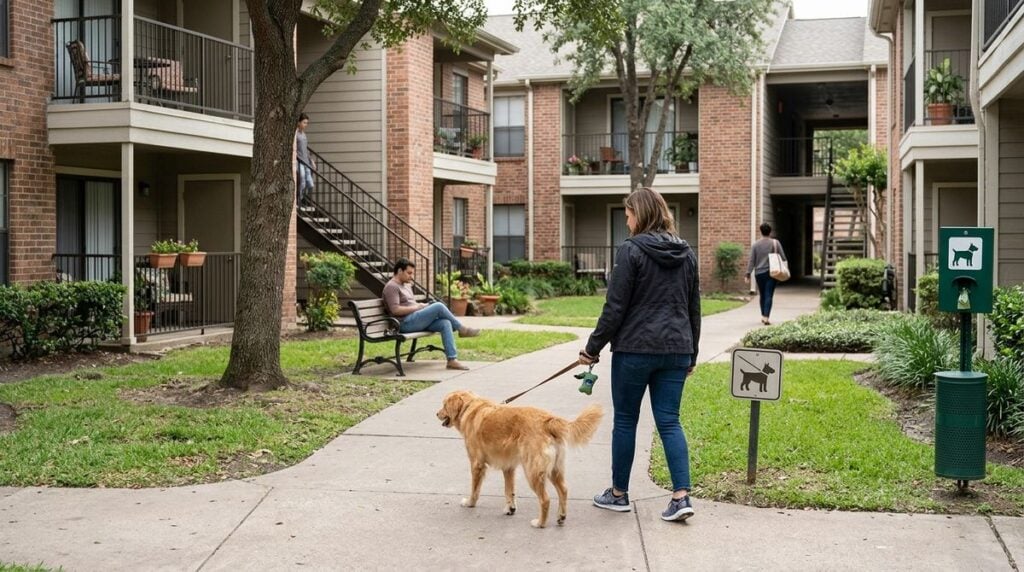
Outdoor walks require a measured approach during the first several days. Rather than exploring the entire neighborhood all at once, choose a single, quiet route around the immediate block and repeat it daily. This repetitive circuit allows your dog to build an initial olfactory map of the immediate area, register neighborhood sounds, and mark familiar landmarks without feeling overloaded by sensory stimuli.
As your companion shows greater confidence on their daily neighborhood loop, you can begin expanding your excursions into nearby parks or scenic green spaces. For families looking for relaxed outdoor experiences, planning gentle weekend nature outings for companion dogs provides a wonderful roadmap for discovering quiet natural areas where pets can unwind without the pressures of crowded urban spaces. Observing how your companion handles low-stress outings will help you determine when they are ready to explore busier local gathering spots.
Helping Your Pet Adjust to Unfamiliar Neighborhood Stimuli
Every community presents a distinctive sensory landscape that requires time and patience to navigate. From passing delivery vehicles and rumbling municipal trucks to neighborhood dogs barking behind privacy fences, these novel occurrences can provoke apprehension in a newly arrived animal. Educational platforms such as dogs-info.net offer practical insights regarding canine stress signals, gentle behavior management, and everyday health care to help owners guide their pets through unfamiliar situations.
Navigating these novel encounters requires proactive, gentle management rather than corrective discipline. Rewarding calm behaviors with praise encourages your companion to view unexpected sights and sounds as neutral or positive events. Incorporating a few simple habits into your daily routine supports this steady adjustment:
- Carry wholesome treats on walks to reward calm focus when distractions appear.
- Allow plenty of time for calm sniffing, which naturally lowers a dog’s heart rate.
- Maintain adequate physical distance from unfamiliar dogs and busy roadways.
- Keep the leash relaxed to avoid transmitting human tension directly to the pet.
Settling into a new community is ultimately an ongoing process that unfolds over time rather than a single weekend. While some companion dogs adapt to their new environment within days, others require several weeks of quiet reassurance before feeling entirely settled. Providing steady companionship, celebrating small milestones, and maintaining a predictable home environment will help your pet feel completely at home in their new neighborhood.