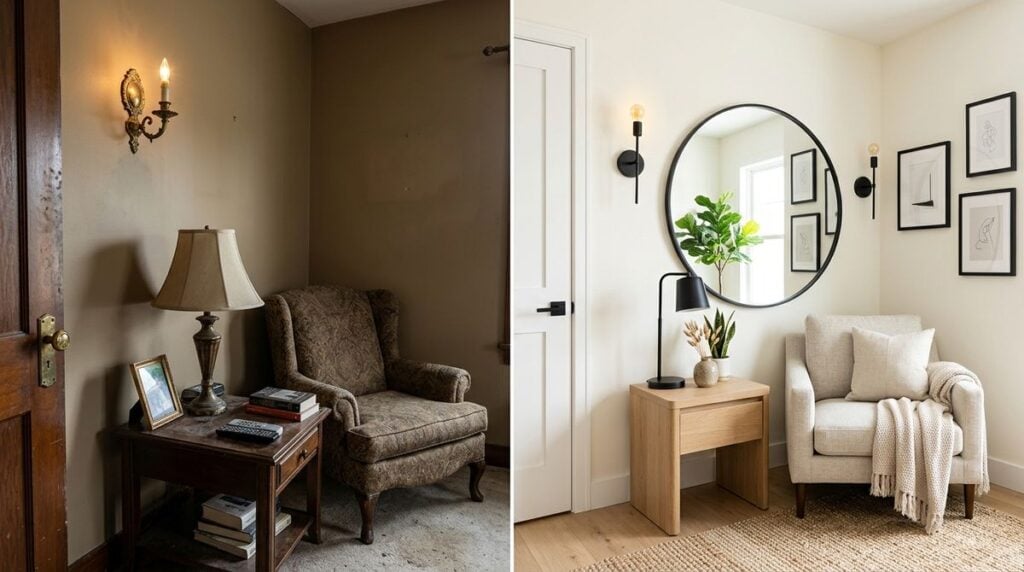
Gaming and music fans who share a home with children often find that every spare corner already has a purpose. A parent may need extra help with cleaning, errands or childcare, but there is little room for equipment or extra people. Services can still make life easier when they are chosen carefully and timed well. The guidance below covers deciding what to outsource, booking safely, scheduling around practice and play, and setting clear access rules. It is general information, and each family should check the details that suit its own home. A little planning at the start usually saves time and money later on. Talk the plan through with everyone at home, including any teenagers who may be asked to help.
Deciding Which Tasks Need Outside Hands
Start by listing the tasks that drain time without giving much back. Laundry, grocery deliveries, window cleaning and yard tidying are common examples. Keep the jobs that need family attention, such as homework or bedtime. Readers may also want to visit bestwirelesssecuritycamera. Ask the household which job would bring the most relief if someone else handled it. Decide on a monthly budget before requesting quotes. A clear list stops the search from drifting into services nobody needs. Think about which tasks happen on a fixed schedule, since those suit a regular weekly visit best. Note any task that someone in the family already enjoys, so it stays with them. Compare two or three providers before choosing, and keep notes on each quote.
Booking Services for a Shared Living Room
A shared living room may be the only quiet corner in the house, so service visits need thought. Describe the space accurately when booking, including furniture, equipment and any items that must stay in place. You can also visit yourgadgetguide.net for more reading. Ask for the same visitor each time if possible, so the household builds trust. Move valuable gear before the visit, and store cables out of the way. A clear brief reduces misunderstandings on both sides. Share a short photo of the room with the provider so they can see the layout before arriving. Ask whether the provider brings its own supplies or expects you to supply them.
Scheduling Visits Around Practice and Play
Music practice and gaming sessions often run late, so the timing of visits matters. Book cleaning or errands for mid morning, when the home is quiet and the household is less likely to be recording or streaming. Avoid rehearsal blocks and tournament weekends. For a related read on this site, see Vape Accessory Stall Margins Walked Through With a. Leave a note on the calendar so everyone knows when someone will arrive. Build a buffer between visits so there is no rush at the door. Ask for arrival windows rather than exact times, since a late session can change the schedule quickly. Pick mornings or early afternoons for cleaning, which fit well around school hours. Keep a spare time slot free each month in case a session moves at short notice.
Clear Access Rules for Service Visitors
Visitors need clear rules about entry, valuables and private rooms. Decide which rooms are open to service staff and which stay closed. Give a key or door code only for the time of the booking, and change it afterwards if needed. Keep expensive instruments, consoles and records out of view. Write the rules on a simple card and share it with the household. Clear access rules protect belongings and give everyone peace of mind. Keep valuable music equipment in a locked case whenever the visitor is in the home. Keep a visitor log by the door so you can see who came and when. Set a reminder to change any entry codes when a visitor no longer needs access. Keep the entry route clear of instrument cases.
Checking Credentials and Reviews Politely
Good providers are usually happy to show their credentials. Ask for proof of insurance and any licenses required in your area, and check the details with the issuing body. Read recent reviews with care, and look for comments about punctuality and reliability. Ask a friend or neighbor who has used the service about their experience. Trust your judgment if something feels unclear. Careful checks at the start prevent problems later. Read the full terms of any agreement, including cancellation and the fee for a missed visit. A simple one page agreement is often enough for regular household help. Keep a copy of the signed booking in a shared folder for reference.
Plan the Corner, Then Plan the Visit
One spare corner can be a useful part of a busy household when the help is planned well. List the tasks, describe the space clearly, schedule around practice and play, set access rules and check each provider. With these steps, the house runs more smoothly and the music and games can continue. Keep notes on what works, so the next booking is easier to plan. Small adjustments keep the arrangement fair for every person involved.