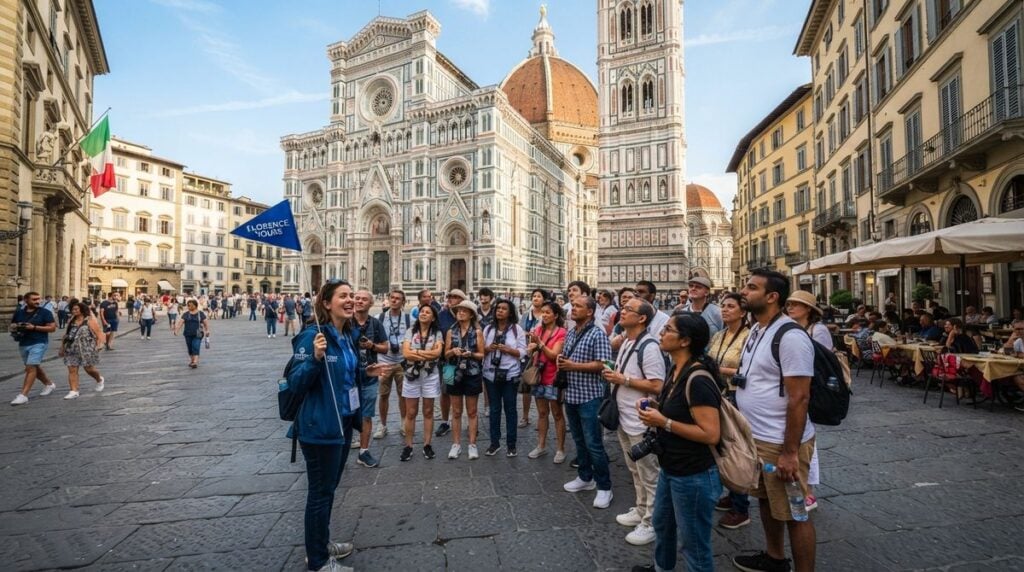
Neighborhoods hold rich layers of history, cultural memory, and everyday stories that rarely appear in conventional guidebooks. Creating a self-guided sound walk offers residents and visitors an engaging way to explore unfamiliar corners or view familiar streets from a fresh perspective. By weaving together ambient outdoor recordings, oral histories, and clear narration, an audio walking route transforms a routine stroll into an immersive cultural experience.
Developing an independent sound project does not require an entire broadcast studio or a commercial grant. With thoughtful planning, attentive sound gathering, and a dependable digital home, neighborhood organizers can create an enduring community asset. The following steps outline how to design an accessible route, balance audio files, and share the finished experience with local walkers.
Mapping the Route and Selecting Meaningful Stops
Every compelling audio walk begins with thoughtful geography. Rather than attempting to cover an expansive district, focus on a compact walking circuit that participants can comfortably complete at a leisurely pace. A well-defined perimeter keeps listeners engaged without causing physical fatigue, making the walk accessible to families and older adults alike.
When choosing points of interest, balance prominent landmarks with subtle neighborhood features. A historic civic building or a public square can anchor a stop, but a community mural, an unusual tree canopy, or a quiet alleyway often sparks a stronger connection. Aim for a unified theme, such as neighborhood labor heritage, culinary traditions, or public architecture, so each stop builds naturally on the previous one.
Physical walkability is just as essential as narrative substance. Walk the proposed path multiple times to evaluate sidewalk conditions, pedestrian flow, and street crossings. Note loud traffic corridors or construction areas that might interfere with listening. Ensuring that crossings feature level curb cuts and audible signals makes the tour welcoming to participants of all mobility levels.
Recording Resident Voices and Ambient Soundscapes
The heart of any community sound walk lies in the voices that tell the story. Rather than relying solely on a scripted narrator, invite longtime shopkeepers, resident artists, and neighborhood elders to share their memories in their own words. Unrehearsed personal recollections bring warmth, authenticity, and emotional depth that standard historical plaques cannot convey.
When recording interviews, choose quiet indoor spaces to avoid wind noise, traffic roar, and unexpected distractions. A quiet room in a local library or community center works well. Use a directional microphone placed close to the speaker, and prompt contributors to recall specific sensory details, such as the aroma of former bakeries or the bustle of weekend markets.
Alongside spoken interviews, capture atmospheric field recordings at each designated stop. Record the splash of a public fountain, birdsong in a pocket park, or the distant rhythm of streetcar tracks. Blending a gentle layer of ambient environmental sound beneath the spoken narration grounds listeners firmly in the physical space they are exploring.
Editing and Monitoring Sound for Street Listening
Once raw recordings are assembled, audio editing shapes individual tracks into cohesive tour chapters. Keep each stop concise, ideally just a few minutes long, so walkers do not become restless while standing in place. Trim distracting speech stumbles, but leave natural pauses that allow listeners to look around and take in their surroundings.
Balancing audio levels requires careful monitoring across different hardware. Because pedestrians listen in noisy environments, voice tracks must remain crisp without sounding harsh. While testing on portable earbuds reflects the typical user experience, mixing on accurate studio speakers helps creators catch low-frequency rumble or subtle hiss that consumer headphones miss. Reading hardware reviews on 10speakers can help organizers choose reliable studio monitors and reference sound gear to ensure balanced audio output before publishing.
Apply gentle equalizing and consistent loudness normalization across all finished chapters. Sudden volume changes between stops force listeners to adjust controls constantly, disrupting their immersion. Export each stop as an independent audio file, numbering and labeling each track clearly so visitors can follow the tour in sequence without confusion.
Publishing on an Accessible Digital Platform
Distributing your walking tour should be simple for visitors of all technical abilities. Requiring walkers to install a specialized mobile application often creates unnecessary hurdles, causing people to abandon the walk before starting. A lightweight, responsive website that streams audio directly through standard mobile browsers allows participants to begin listening immediately with a single tap.
Digital accessibility must accompany clear sound design. Pair every audio segment with a complete written transcript so that individuals who are deaf or hard of hearing can enjoy the historical material. Our practical guide on creating an accessible digital platform shares effective methods for designing community web resources that remain usable for people with diverse sensory and physical needs.
Complement the streaming audio with high-contrast, downloadable route maps. Include straightforward text directions between stops alongside visual route markers, identifying public seating, restrooms, and transit stops. Offering downloadable audio files ensures that visitors with limited cellular reception or modest data allowances can still experience the complete tour without interruption.
Promoting the Tour and Maintaining the Route
Building an audience for your walking tour requires both physical and digital outreach. Connect with neighborhood anchors such as independent bookstores, cafes, community boards, and local libraries. Distributing printed cards featuring clean route summaries and web links invites foot traffic from patrons who already value neighborhood culture.
Online promotion helps turn curious internet browsers into real-world walkers. Short video previews pairing archival photos with compelling voice excerpts provide strong visual hooks on social platforms. Creators seeking practical advice on visual reach can consult resources from InstaGTrends to refine social media layouts, optimize bio links, and craft engaging captions that inspire community exploration.
Because cities evolve constantly, organizers must establish regular upkeep habits. Murals fade, storefronts change, and public works alter walking paths. To keep your sound walk reliable, adopt this essential maintenance routine:
- Walk the entire route seasonally to verify that paths, sidewalks, and crossings remain safe and unobstructed.
- Test web links and audio playback across various mobile devices to prevent broken files or slow loading times.
- Gather listener feedback to resolve any confusing directional cues between consecutive stops.
- Restock printed map cards and informational brochures at participating neighborhood venues.
A thoughtful audio walking tour does more than recite facts; it deepens civic connection and invites people to appreciate the living history around them. By focusing on authentic community voices, careful sound production, and an open digital foundation, local organizers can turn neighborhood streets into a welcoming, living gallery for all to enjoy.