Moving from a rental unit into a home of your own is a major milestone that reshapes your daily routine, personal responsibilities, and long-term outlook. For many individuals and families, the journey begins after spending years adjusting to shared walls, parking assignments, and landlord regulations. While leasing provides flexibility and shields residents from sudden structural maintenance costs, purchasing property offers creative freedom, stability, and a personal space tailored entirely to your preferences.
The path toward purchasing a property requires thoughtful forethought and deliberate planning. While our earlier guide to apartment living and tenant etiquette explores the fundamentals of shared residential spaces, making the leap to owning your own house brings an entirely different set of responsibilities and lifestyle changes. Understanding how to navigate this shift smoothly ensures that you make choices that align with your lifestyle, personal comfort, and long-term security.
Evaluating Your Lifestyle Needs and Readiness
Before browsing neighborhood listings, it is helpful to look closely at how you currently live and how your routine might evolve in the coming years. Rental apartments frequently place tenants close to commercial districts, public transportation, and entertainment corridors. When transitioning into a standalone house or condominium, the surrounding environment may feel different, requiring adjustments in your daily commute, shopping habits, and social life.
Consider the physical space you actually need versus what sounds appealing on paper. Extra bedrooms, a sprawling backyard, or an attached garage can sound wonderful during an initial walk, but each added square foot brings maintenance tasks. Lawn care, roof upkeep, gutter cleaning, and basic plumbing care fall squarely on the homeowner. Honest reflection regarding how much personal time you want to spend on home upkeep will help you choose between single-family houses, townhomes, and planned communities.
Financial stability is another pillar of readiness. Beyond setting aside savings for an initial down payment, homeownership calls for a healthy reserve fund dedicated to unforeseen repairs. Heating units, appliances, and plumbing systems do not give advance warning before failing, and having dedicated emergency reserves prevents everyday mechanical troubles from turning into stressful crises.
Deepening Your Knowledge of the Property Market
The housing market can appear overwhelming to first-time buyers due to unfamiliar terminology, fluctuating regional conditions, and complex contract timelines. Taking the initiative to educate yourself about standard purchase contracts, contingency clauses, and local zoning policies removes uncertainty from the experience.
Learning how mortgage pre-approval operates is an excellent starting point. A pre-approval letter provides sellers with proof that a recognized lender has verified your creditworthiness, giving your offers greater credibility when competing with other interested parties. It also establishes a clear boundary for your search so you do not spend time visiting houses that fall outside your target range.
To build a strong foundation before making decisions, studying educational resources such as Giraflat.com can help clarify the essentials of property hunting, selling procedures, and long-term home management. Gaining insight into common inspection findings, title transfers, and closing paperwork gives you the confidence needed to evaluate listings objectively rather than relying on emotional reactions.
Assembling a Dedicated Support Team
Buying a home is rarely an individual effort. Working with qualified professionals can streamline the entire journey, protect your interests, and save you considerable effort. Your core support team will typically include a licensed real estate agent, a loan officer, an independent home inspector, and a closing settlement agent.
A capable buyer agent serves as your representative, advisor, and negotiator throughout the acquisition. They help you analyze neighborhood sales trends, craft competitive purchase agreements, and navigate inspection repair requests. Prospective buyers often visit platforms like Estate-link.net to connect with knowledgeable professionals who can guide them through every stage of the transaction. Having experienced representation ensures that critical contract deadlines are respected and your interests remain protected.
In addition to an agent, scheduling a comprehensive home inspection by a licensed professional is essential. An inspector examines structural components, electrical panels, roof integrity, ventilation systems, and foundational stability. Their detailed written report serves as a roadmap, highlighting immediate safety repairs and long-term maintenance considerations that might influence your final purchase decision.
Scouting Neighborhoods and Touring Homes
When searching for a property, the surrounding neighborhood is just as important as the physical house itself. You can remodel a kitchen, repaint walls, or replace flooring, but you cannot alter the location of your property. Visiting potential communities at different times of the week provides realistic insight into traffic flow, street lighting, ambient noise, and general street activity.
Take time to walk the neighborhood sidewalks, observe local parks, and check proximity to essential services such as grocery stores, medical facilities, and community centers. If a commute is part of your regular routine, test the drive or transit route during peak morning and evening travel hours to ensure it aligns with your expectations.
During physical property viewings, keeping an organized checklist helps you look past cosmetic staging and focus on structural health. Consider evaluating the following practical elements during every property visit:
- The overall condition and estimated age of the roof, windows, and external siding.
- Water pressure in bathrooms and kitchens, along with signs of plumbing leaks under sinks.
- The operational age and maintenance history of the heating and cooling systems.
- Natural lighting exposure, room layout functionality, and available storage closets.
- Drainage grading around the foundation, outdoor boundaries, and fence condition.
Bringing a notebook or taking photos with permission helps you recall details when reviewing multiple homes in a single weekend. Keeping notes on specific features allows you to compare listings rationally after the initial tours have ended.
Finalizing the Purchase and Planning Your Move
Once your purchase offer is accepted, the escrow period begins. During this window, your lender finalizes underwriting, an appraisal verifies the market value of the home, and the title company ensures that the property deed is free of encumbrances or past tax liens. Maintaining regular communication with your loan officer prevents unexpected delays during this critical phase.
A few days before settlement, always perform a final walkthrough of the home. This inspection verifies that agreed-upon repairs have been completed satisfactorily, that fixtures included in the contract remain in place, and that no new damage occurred while the previous occupants moved out. Take your time checking plumbing fixtures, light switches, and appliances one last time before signing the final documents.
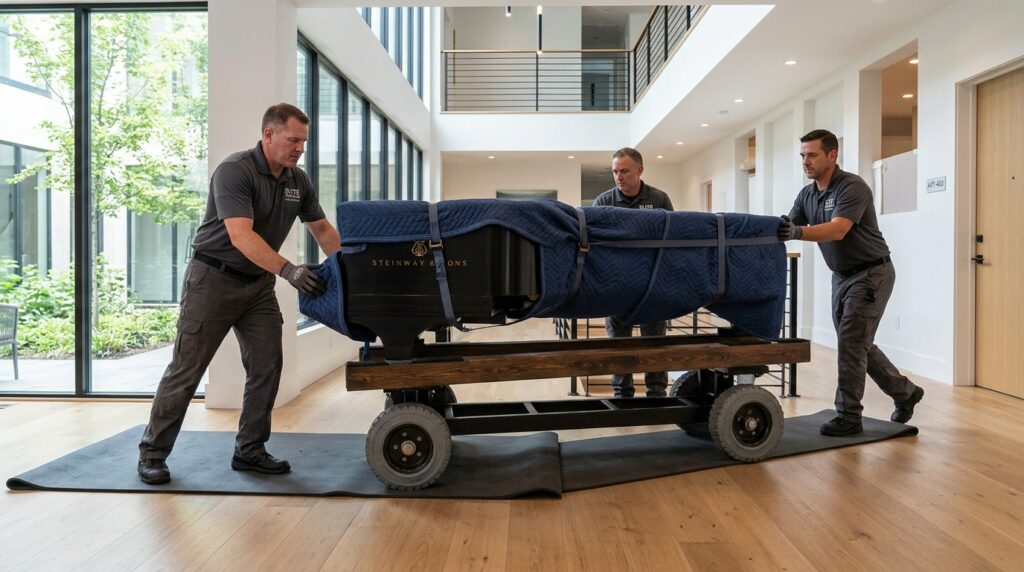
Closing day involves signing final loan documents, paying remaining settlement costs, and receiving the keys to your new front door. To ease the moving process, consider scheduling basic utility transfers, internet activation, and trash collection services several days ahead of your scheduled arrival. Deep cleaning the empty rooms, changing external door locks, and locating the main water shutoff valve are sensible first steps upon taking possession.
Transitioning into your own property marks the beginning of an exciting chapter filled with creative personalization and personal accomplishment. By approaching the transition methodically, researching each phase thoroughly, and leaning on reliable industry guidance, you can navigate the entire process with clarity and genuine peace of mind.