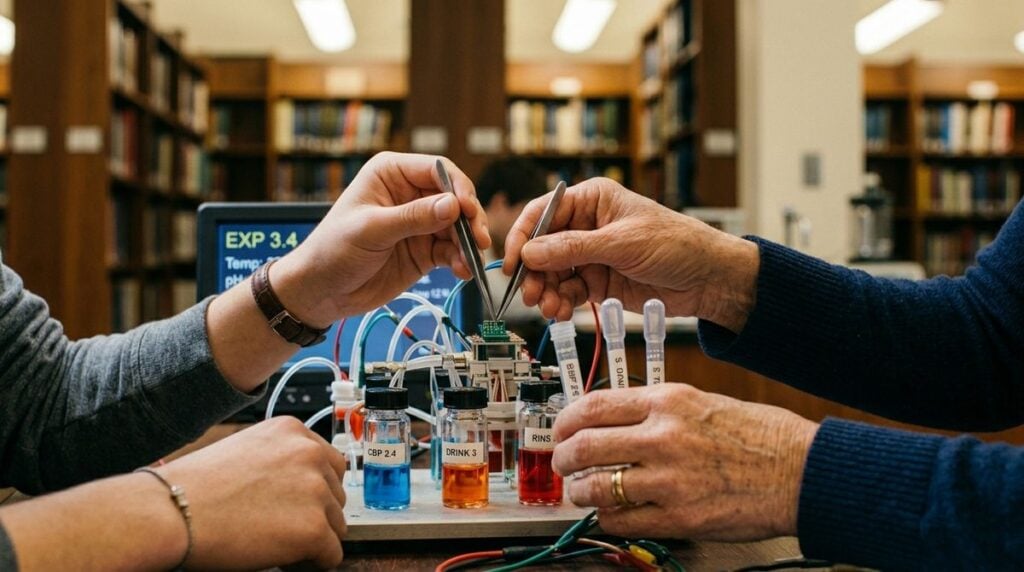
Business projects are common in classrooms, from school fairs to entrepreneurship clubs and long-term assignments. Students often arrive with ideas but not the vocabulary that adults use when describing them. Teachers face the same challenge when they try to explain a plan clearly. A shared set of definitions lets everyone discuss the project with precision. This article explains ten common business terms in simple language, two at a time, for students and the adults who guide them. Each term comes with a short example that fits a classroom project or a school fair.
Starting Out With a Plan
A startup is a new venture that is trying to turn an idea into a working business. In a class project, a startup might be a small group selling handmade items or offering a local service. The word describes an early stage rather than a finished company. Students can use it to frame their work as a real attempt to test an idea. Readers may also want to visit iwdn.net. Starting with a simple idea and testing it with classmates is a healthy first step.
A customer is a person or organization that buys a product or service. Identifying the customer early helps a team decide what to make and how to describe it. Students should be specific about who would pay and why. Clear customers make the rest of the plan easier to think through. Interviewing a few potential buyers before the project begins gives the team real evidence.
Money Coming In and Going Out
Revenue is the total amount of money a business receives from sales before any costs are subtracted. It is the top line of many financial summaries. A team can estimate revenue by multiplying the price of each item by the number of items it expects to sell. Being honest about those estimates helps the project stay grounded. Comparing the estimate with the actual sales at the end of the event teaches a valuable lesson.
Cost of goods sold covers the direct costs of making or buying what is sold, such as materials, packaging or ingredients. It does not include costs for rent or advertising. Students who track these costs carefully learn why a product that sells well can still leave little profit. Keeping a simple receipt log makes the figures easier to check. You can also visit news-takeuchi.com for more reading.
Profit and Persuasion
A profit margin shows how much of each sale remains after its direct costs have been paid. It is usually expressed as a share of the selling price. A thin margin means the team has little room for mistakes, while a wider one gives it more flexibility. Comparing margins across products helps a team decide which items to focus on. For a related read on this site, see A Short Weekly Reading Log at Home and.
A pitch is a short presentation that explains a business idea to an audience, often with a clear problem, a proposed solution and a request. Good pitches are brief and easy to follow. Students can practice by explaining their project in one minute to a friend. The skill of pitching is useful well beyond a classroom.
Structure and Stock
A business model describes how a company creates, delivers and captures value. It answers questions about who the customer is, what is offered and how money is made. Students can sketch a business model on a single page to see how the parts connect. Teachers can use the sketch to spot gaps in logic quickly.
Inventory is the stock of goods a business holds for sale or for use in production. Keeping too little can mean missed sales, while keeping too much ties up cash. Students running a school sale can count stock before and after each day to learn how inventory moves. Students running a school sale can count stock before and after each day to learn how inventory moves.
Research and Partners
A supplier is an organization or person that provides materials or products to a business. Choosing suppliers involves comparing cost, quality, timing and reliability. Students can contact local shops to ask about prices and delivery times. Learning to work with suppliers teaches practical communication skills. Writing a short email with specific questions usually gets clearer answers than a phone call.
Market research is the process of gathering information about customers, competitors and demand before a product is launched. It can be as simple as asking classmates what they would buy or looking at what similar shops offer. Good research shapes a better plan and avoids guesses. Teachers can use research tasks to build critical thinking. A short survey of classmates can be a fast and useful first step.
Business words give students and teachers a common way to talk about projects that teach real skills. When the vocabulary is shared, feedback becomes more specific and planning becomes more practical. A short glossary on the classroom wall can keep the terms in front of everyone during the project. Learning to speak clearly about money and customers is valuable long after the assignment ends.