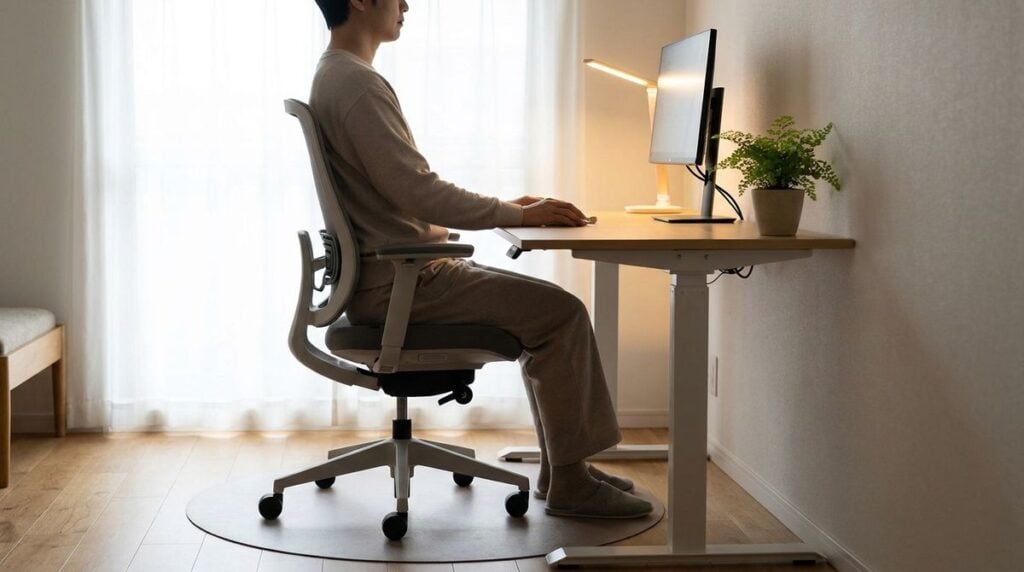
A small office manager who has just taken responsibility for staff wellbeing often notices the same pattern. People sit at their desks from morning until evening, leave lunch half eaten and drift back to their screens without standing up once. Changing that habit does not require a big budget or a complicated scheme. Thoughtful break times, agreed with the team and reviewed regularly, can help everyone move more and feel fresher through the working day.
Looking at How the Team Really Works
Begin by observing the team for a week without making changes. Notice when people take breaks, when meetings run long and when the busiest stretch of the afternoon begins. A simple notebook is enough, and the notes will show natural pauses where a short movement break would fit without disrupting customer work.
Ask the team how they feel about their current routine. Some people may welcome structured breaks, while others prefer flexibility. Readers may also want to visit Fruzo.
Setting Gentle Break Windows
Choose two or three windows during the day rather than a rigid timetable. A mid-morning window, a post-lunch window and a late-afternoon window give people predictable moments to stand, walk and reset. Keep the windows short, perhaps five to ten minutes, so they feel achievable even on busy days.
Make sure the timing works for phone lines and shared inboxes. Someone should always cover urgent calls, and the rota can rotate among team members. A visible plan on the wall or in the team chat keeps everyone informed without repeated reminders.
Encouraging Simple Movement Habits
Short movement breaks can be as simple as standing up, rolling the shoulders or walking to the kitchen for a glass of water. Suggest a few options so people can choose what suits them. A small list pinned near the coffee machine works well, and it avoids the feeling that exercise is being imposed.
Lead by example. When managers stand during calls or take a quick stroll between meetings, the rest of the team notices. You can also visit bbcnewspoint.com for more reading.
Supporting Ergonomic Setup at Each Desk
Check that each workstation supports comfortable posture. The screen should sit at a height where the head stays relaxed, and the keyboard should allow the wrists to rest without strain. A supportive chair with adjustable height helps people change position during the day.
Offer a short setup review for anyone who asks. Staff can sit with a colleague, adjust their chair and note what feels better. For a related read on this site, see Water Refill Stations and the Break Room Habits.
Creating a Shared Movement Calendar
Some teams enjoy a light challenge that encourages people to move together. A weekly walk around the block or a stair climb during a quiet hour can build a sense of community. Keep the activities optional, and make sure they never replace legitimate breaks or lunch periods.
Track participation gently, if at all. The goal is to make movement enjoyable rather than to turn it into a competition. Celebrate the team when it reaches a shared target, but avoid singling out anyone who prefers to take a quiet break alone.
Reviewing What Works Every Month
Set a short monthly check-in to discuss the break schedule. Ask what felt helpful, what caused disruption and whether any new needs have appeared. Small changes, such as shifting a window by fifteen minutes, often solve problems without a full redesign.
Document each change in a shared note. A clear record helps new staff understand why the schedule looks the way it does, and it protects the office manager when questions arise later. Thank the team for their feedback, because continued honesty is what keeps the plan working.
Consider a short quiet hour for focused work at the start of the afternoon. During that hour, phones can be routed to voicemail and meeting invitations are avoided. Staff who need to concentrate can stand, walk to a window or stretch without interruption. This small pattern respects different working styles and gives everyone a predictable moment to recharge before the busiest part of the day. Tell the team clearly when the quiet hour begins and ends, so that colleagues know when to ask questions.
Check in with staff who work remotely as well. Many of them sit for long stretches at kitchen tables, and a quick reminder about breaks can help. Share the same break windows and movement ideas with them, so the whole team follows one rhythm. Shared routines help distributed teams feel connected, even when they never meet in the same room. Ask them to suggest a movement idea that suits their home space, and feature the best ones in the team chat. A simple photo of a stretch or a walk shared by someone can inspire others to join in.
A calmer, more active office rarely appears overnight. Once the team has agreed on break windows, shared a few simple movement ideas and set up each desk with care, the routine begins to feel natural. Keep the conversation open, respect individual choices and let the schedule grow alongside the people who use it.