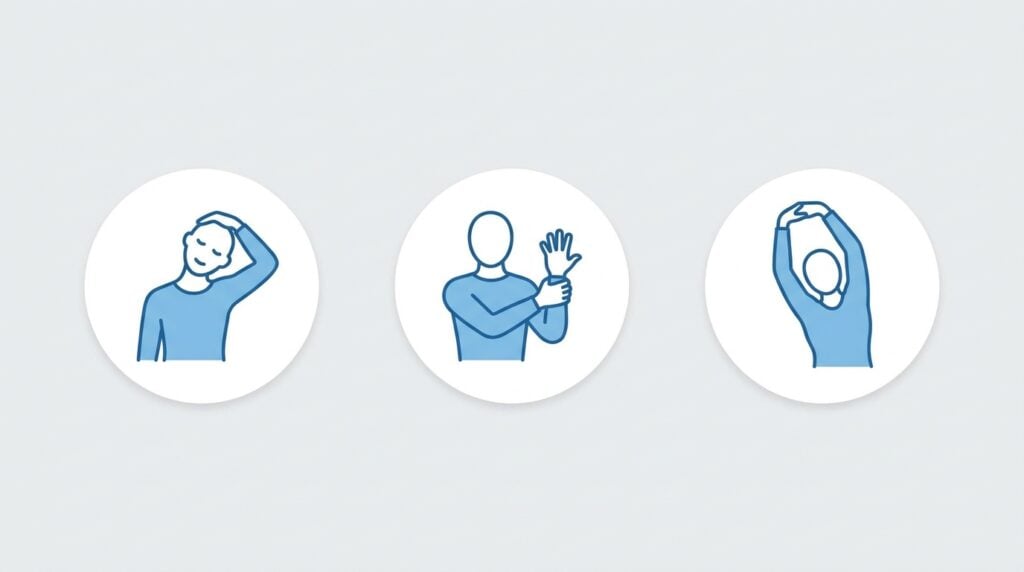
Office work can stretch from morning to evening with very few breaks. Many staff members sit through meetings, reply to messages and finish reports without standing up once. By mid afternoon, focus and comfort often drop together. A brief stretch routine offers a simple way to change that rhythm. The following sections compare the long stretches that came first with the easier afternoons that followed.
The idea does not depend on expensive equipment or a formal program. A team can agree on a few minutes of movement, pick a time that suits everyone and use a shared reminder. Individuals can adapt the moves to their own comfort. Managers who model the habit often find that others follow naturally. The routine is small, but it sends a clear message that short breaks belong to the workday.
Long Stretches at the Desk Without a Break
Before a routine existed, the team tended to sit without interruption from one meeting to the next. Shoulders crept upward, and people shifted in their chairs without really noticing. Conversations happened in front of screens, which kept everyone looking in the same direction. Readers may also want to visit wkbn.
The pattern created a steady background of discomfort that nobody mentioned. Some people quietly skipped water breaks to avoid leaving their desks. Others felt guilty about standing up during a busy stretch, even for a few seconds. The office had no shared signal that movement was acceptable. Without that signal, the afternoon slump felt like a personal failing rather than a predictable result of the schedule.
Planning a Short Stretch Routine
A good routine has a clear start time, a short list of moves and a finish that feels natural. Five minutes is usually enough to loosen the neck, shoulders, wrists and lower back. Team members can choose simple movements such as rolling the shoulders, reaching overhead or walking to a window. You can also visit pindnews.com for more reading.
The routine works best when it sits in a predictable slot, such as the mid-morning or early afternoon lull. A shared calendar entry or a chime on a laptop can prompt people at the same time. Anyone who prefers to stay seated can perform the moves from their chair without drawing attention. The goal is consistency rather than perfect form, so each person can adjust the motions to suit their body.
Shared Space and Simple Reminders
Physical reminders help the routine become part of daily life. A small card taped near the kitchen sink or a note on the printer can remind staff to pause. Some offices set aside a corner with a mat, a few bands or a wall to lean against. These cues cost little and signal that movement belongs in the day rather than outside it.
For a related read on this site, see Garden Business Tasks Plus Digital Payment Upkeep. The page offers starting points that a small office can try without a large budget. Its suggestions are general and do not replace advice from a qualified health professional. Reading them together can spark a useful conversation about what the team needs.
Letting the Routine Adapt Over Time
Every team changes over time, so the routine should be allowed to change too. A new hire may prefer a different time slot, and a busy project may require a shorter session. Reviewing the plan each quarter keeps it aligned with what people actually need. Flexibility helps the habit last longer than a rigid schedule would.
Asking for quick feedback from the group also keeps the routine fair. A short anonymous question about which moves feel useful can reveal ideas nobody considered. Some teams rotate the role of leader, so each person gets a turn to guide the session. That sense of shared ownership makes the practice feel like a team choice rather than a directive.
Some teams place a basket of water bottles beside the stretch area so that hydration becomes part of the same habit. Staff can refill a bottle on the way back from the break without making a separate trip. Small cues like this make it easier to keep both movement and water in the daily rhythm. The basket should be kept clean and refilled by a rotating volunteer.
Teams that run long projects sometimes ask a colleague to lead the break each week. The leader can choose a few moves, time the session and invite questions about posture at desks. Trading the lead keeps the routine fresh and spreads the planning load. Everyone learns something new when a different person takes the front of the room. Quiet teams often enjoy the structure, while lively ones may use the time to swap quick updates. That variety keeps the habit welcome.
Afternoons That Feel Less Heavy
A stretch break routine seldom looks dramatic from the outside, yet its effect on an office afternoon can be easy to notice. Staff return to their screens with a little more ease and fewer stiff shoulders. Conversations move with a bit more energy, and the team spends less time watching the clock. The change begins with a few minutes of shared movement and grows into a steady habit. That habit is what makes the workday feel lighter.