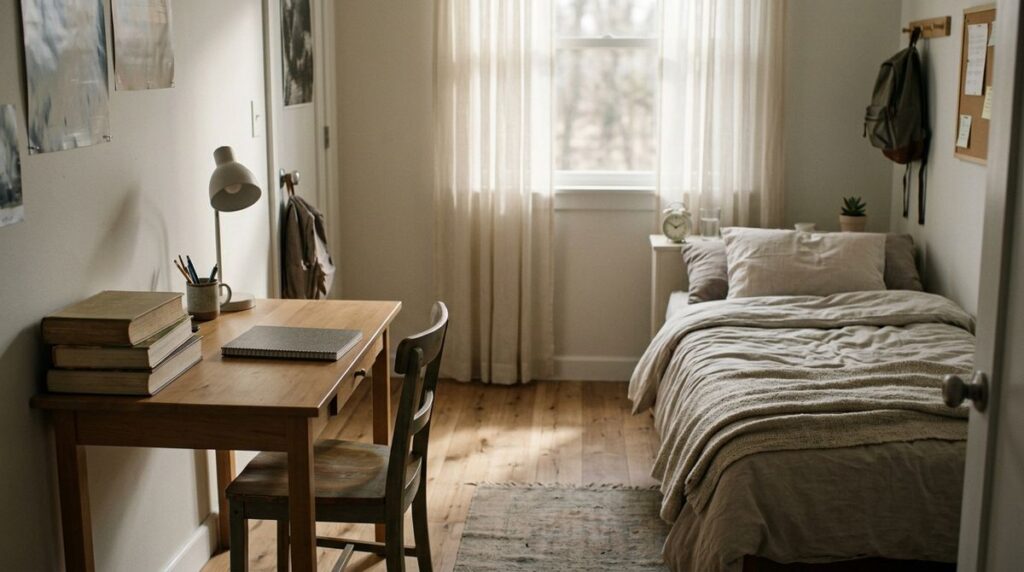
A learning center is shaped by its physical details as much as by its lesson plans. Desk spacing, the angle of lighting, and the placement of wall displays all influence how students focus and how comfortably they work. Many owners concentrate on curriculum and staffing while these quieter elements are left to chance. This article covers those overlooked details and why they matter for a small business.
The advice here is general and meant for owners who run tutoring or study programs in modest spaces. Every room has limits, and not every suggestion will suit every floor plan. Still, a careful look at the layout often reveals simple improvements. Small changes can make a session feel more productive without increasing the budget in any meaningful way.
Desk Spacing Between Study Pairs
Desk spacing affects both focus and conversation. Pairs placed too close can distract each other, while desks spread too far apart make supervision harder. Leave enough room for a tutor to sit beside a student without blocking the aisle. Keep the front row clear of bags and coats so the first step into the room stays easy. Mark the floor with tape to test the arrangement before moving the furniture permanently. Walk the route between desks while carrying a bag, so you can see whether the aisle still feels open. Readers may also want to visit FamilyFella.com.
Chairs deserve the same attention as desks. Pick chairs that match the age of the students, because a seat that is too large or too small makes sitting still harder. Uneven seats cause restless behavior, and a student who fidgets often loses the thread of a lesson. Check that each chair sits at a comfortable height and that the backs are stable. Replace any chair that wobbles, since a small wobble becomes a large distraction over a long session. Check the chair wheels and glides as well, since a noisy base can interrupt a quiet lesson.
Lighting Angles That Reduce Glare
Lighting angles can make a room feel bright or harsh, and the difference often comes down to where the light falls. Overhead fixtures that shine straight onto a screen create glare, which makes reading tiring. You can also visit Colourpop for more reading. Test each desk with a book held at the usual reading distance. Ask a student to read aloud from that spot, and listen for any complaint about shadows or glare.
Close the blinds during the brightest hours, and place a lamp so the light falls over the opposite shoulder from a student’s writing hand. Small adjustments like these reduce eye strain without requiring a new installation. Note which corners stay dim and adjust them first, since those spots are where students struggle most. A small battery lamp can fill those corners for a week while you decide on a permanent fixture.
Wall Displays Students Actually Read
Wall displays can help students learn, but only if they are placed at a reading height and kept clear of clutter. A crowded board becomes background noise, while a short set of current examples invites attention. For a related read on this site, see Managing a Sports Club Vehicle Fleet as a. Keep the number of items modest so each one has room to be seen. Use a simple frame or a clip so each sheet stays flat, and replace worn corners before they curl.
Change displays slowly rather than all at once, so students notice the new material. Remove old notices promptly, since out-of-date information confuses people. Keep one board for announcements and another for work in progress, so the purpose of each space stays obvious. Place the announcements board near the entrance and the work board beside the tables where students sit.
Sound Carry in Adjacent Rooms
Sound travels through thin walls and open doors, which can make a neighboring session hard to follow. Place quieter activities near the corridor and louder group work at the far end. Rugs, curtains, and foam panels can soften voices without a major renovation. Test the rooms by standing outside a session and listening carefully from the doorway. Repeat the test during a busy hour, since the noise level in a full center is very different from a quiet afternoon.
Schedule overlapping sessions with a short buffer so students can settle before the next lesson begins. A quick pause at the door keeps the transition calm. Clear signals help the whole center run more smoothly, especially when several tutors share the same hallway. A bell, a light, or a simple sign on the door can tell everyone when a session has started.
Walking the Room Before Each Session
Desk spacing, lighting angles, wall displays, and sound carry rarely appear in a business plan, yet they shape the daily experience of students and staff. A short walk through each room before the first session catches problems early. Keep a simple checklist and update it when the space changes. Share the checklist with every tutor, so the rules for opening and closing a room are the same for everyone. Attention to these quiet details helps a small learning center feel organized and welcoming.