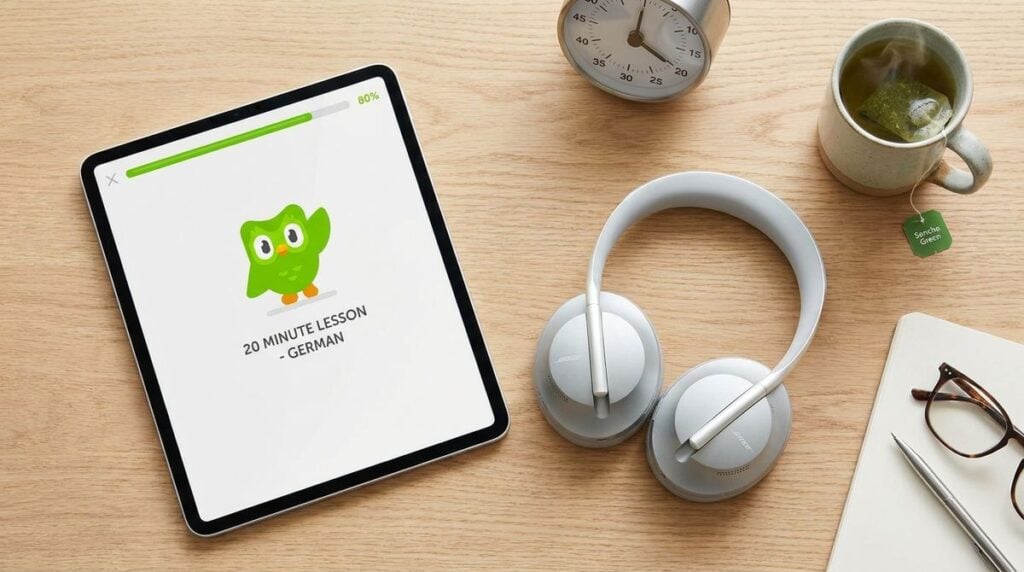
Employers who want their teams to keep learning often run into the same problem: people are busy, shifts are irregular, and long training days are hard to fit into real life. A training program that works for everyone has to respect time, energy, and mobility. This article describes general approaches for building short, accessible learning that staff can complete between tasks. It focuses on course design, format, and scheduling rather than on any specific software or provider. The ideas suit small and medium businesses that want steady development without disrupting daily operations.
Break Content Into Short Modules
Long courses can feel overwhelming, so split material into small modules that take ten to fifteen minutes each. Give every module one clear learning goal and a short check at the end to confirm understanding. Staff can then complete a module during a quiet moment and pick up where they left off later. Readers may also want to visit blogcabinca.
Keep the total number of modules manageable so people finish the course rather than feeling stuck halfway through. Place the most useful content at the start so people gain something right away. A short first win encourages the next step. Offer a summary of progress at the end of each week so learners can see their achievements.
Offer Training in Several Formats
People learn in different ways and at different speeds, so provide more than one option. Short written notes suit readers who like to review at their own pace, while audio recordings help people who prefer listening during commutes or breaks. Video demonstrations are useful for practical tasks, provided they include captions and a text summary. You can also visit columnews.com for more reading.
Offering choice increases participation and reduces frustration. Let staff pick the format for each module when the material allows it. People engage more willingly when the path feels like their own.
Make Digital Materials Accessible
Accessible design benefits everyone, and it is especially helpful for staff who have limited vision, hearing, or dexterity. Use large text, high contrast, and clear headings so people can scan the page quickly. Add captions and transcripts to every video, and describe images in plain words. Test each module on a phone and a computer to make sure buttons are easy to tap. For a related read on this site, see Digital Menu Boards and Point-of-Sale Setup for Small.
Small adjustments in design open the course to many more people. Avoid crowded slides and keep each screen focused on one idea. Clean design makes learning feel lighter for everyone.
Schedule Learning Around Real Work
Training works best when it fits into shifts instead of competing with them. Set aside short blocks at the start or end of a shift and make sure supervisors know about them. Allow staff to take modules during paid time and to pause without penalty. Consider offering sessions at different times of day so people who work evenings or early mornings can take part.
Respecting working hours signals that development matters to the organization. Publish the schedule in advance so people can plan around family commitments and travel. Predictable timing reduces stress and helps people commit. Remind people gently when a module is due, rather than chasing them.
Provide Quiet, Comfortable Learning Spaces
A calm corner with a supportive chair and good lighting makes it easier to focus. Stations with headphones help people listen without disturbing colleagues. Place seating near an exit or a step-free route so anyone can move in and out comfortably. Keep tables at a height that suits wheelchair users and people who prefer to sit at a desk.
Comfortable surroundings make learning feel like a normal part of the day. Ask staff what would make the space more useful, and act on the simplest suggestions first. Offer a quiet room for anyone who finds a busy area distracting. A little attention to the setting goes a long way.
Give Feedback That Feels Encouraging
Short quizzes and quick feedback help people see what they have learned without feeling tested. Write comments that point to one strength and one next step rather than a long list of corrections. Offer a chance to retake a check with no pressure. Celebrate completed modules publicly when staff agree, since recognition motivates many learners. Small certificates or a team thank you note can mark each milestone warmly.
Encouraging feedback keeps people returning to the course. Ask learners what they found clear and what they would change, and act on the answers. Feedback that flows both ways builds a stronger program.
Build a Habit That Sticks
Short, flexible training works best when it becomes a regular habit rather than an occasional event. Keep modules brief, offer several formats, design materials for accessibility, schedule learning around shifts, and provide comfortable spaces. Review completion data and feedback each quarter, and adjust the course based on what people actually say. Share progress with the team so everyone can see the value of their effort.
A steady, respectful program helps staff grow without adding stress to their days. Recognize small milestones so the habit feels rewarding. Consistent learning becomes part of the culture over time. Managers who model the habit themselves make it easier for everyone else to follow.